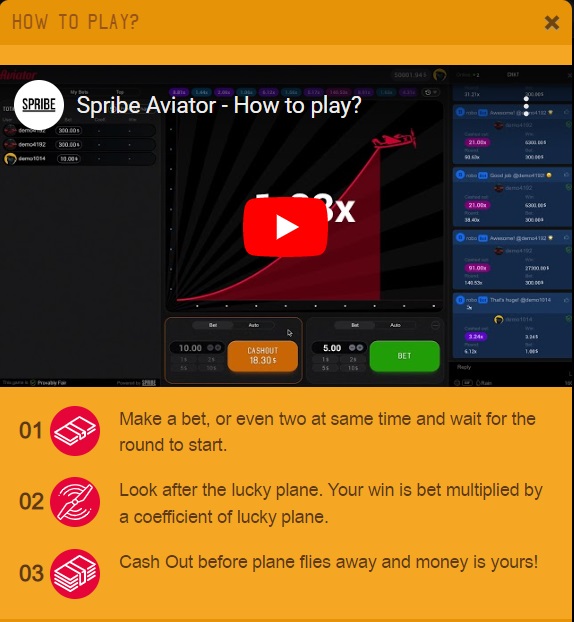
I first encountered this while looking into modern digital culture and spiritual belief in the UK. A story has taken root here, implying some people use the aviator game, that popular online crash-betting game, as a tool for obtaining messages or signs. This isn’t about the usual play of anticipating a multiplier before a plane flies off. It’s about the patterns, the numbers, and those random moments players opt to see through a spiritual lens. I want to examine this odd connection, to see how a digital game is being woven into the evolving fabric of British spirituality. For some, it’s transforming from a game of chance to a potential channel for intuition, synchronicity, and personal guidance.
The Unlikely Intersection of Gaming and Spirituality
A rapid online game like Aviator looks like the reverse of calm spiritual practice. It’s founded on instant results, flashing graphics, and cold probability. But for some, that system of randomness is where they find meaning. In the UK, spiritual searching often mixes old mysticism with a modern, practical approach. Digital tools get examined, not dismissed. The screen becomes a scrying mirror for today. The climbing multiplier—the ‘plane’—turns into a symbol of rising potential or a brief flash of insight. This is a 21st-century kind of adaptation, where the virtual and metaphysical intersect in surprising ways.
Speaking to people who engage in this revealed a common idea: it’s not gambling in the normal sense. The money put in is usually tiny, more like a “key to start the engine” than a chase for profit. Their main focus is the process—the act of picking a moment to cash out, watching the numbers, and thinking about the gut feelings they had while playing. This changes the activity from external chance to an internal conversation. It becomes a ritual of attention. The game’s algorithm offers a neutral, unpredictable canvas where personal intuition can project itself and see what happens.
Deciphering the Round: Figures, Pacing, and Instinct
The whole thing hinges on interpretation. Participants, or maybe we might refer to them practitioners, look for signals in the game’s rhythm. A specific odds where the plane goes down may evolve into a significant digit—a birthday, an milestone, a design from a vision. Deciding to cash out at 2.13x may later relate to a address or a hour that means something individually. The randomness gets reframed as a divine unpredictability, akin to pulling a tarot or throwing ancient symbols. The idea is that guidance can arrive through signs that seem random.
The Role of Repetition and Identifying Patterns
Our minds seek recurring themes. Inner discipline often uses this tendency. With the Aviator title, repeated digits or sequences throughout several sessions become the center. Someone could observe the plane end around 1.5x a few occasions in a row and understand it as a message to ‘slow down’ or be mindful in their everyday routine. They analyze the game’s past rounds feed not for a mathematical advantage, but for a metaphorical tale. This search for patterns transforms into a mindful practice, conditioning the mind to search deeper into happenings.
The “Gut Feeling” Point of Cash-Out
The most talked-about aspect is the instinctive ‘pull’ to cash out. People talk about a immediate, sharp impulse to hit the button. It appears detached from logic or avarice. They see this point as the place of link—a spark of insight from a true self, a guide, or the cosmos. What happens next (cashing out before a end or missing a greater victory) gets analysed not for financial return, but as a insight in the instinct’s timing and accuracy. It builds a cycle for tuning into that internal guide.
Situating the Practice Within UK Spiritual Traditions
To grasp this trend, you need to see it within the UK’s spiritual landscape. Britain has a deep history of folk magic, cunning craft, and practical mysticism. Today’s scene is wildly eclectic, blending Celtic roots, Wicca, Eastern ideas, and secular mindfulness. There’s a deep cultural habit of ‘reading the signs,’ whether in tea leaves, the weather, or how birds fly. The Aviator game, with its symbolic plane in flight, sits oddly well into this lineage. It’s a digital form of augury—interpreting a flight path for meaning.
Also, British spirituality often has a DIY, non-dogmatic feel. People tend to build their own rituals from whatever’s at hand. The smartphone in your pocket and popular online games become raw material for this personal blend. There’s no official doctrine for ‘Aviator spirituality.’ It’s a grassroots practice that’s just appearing. This autonomy and adaptability are central to its appeal. It lets people engage with spiritual ideas without formal groups or costly gear.
A Method for Mindfulness and Here-and-Now Focus
In addition to message reception, many users say the game works as a tool for mindfulness. Playing with a contemplative intention calls for strong concentration on the current moment. You must monitor the monitor, the rising line, and the physical experiences that accompany the ‘cash out’ urge. This hyper-focus on the ‘now’ can induce a state of flow, quieting the normal mental noise about the past or what’s ahead. From that perspective, a session becomes a quick, guided contemplation on danger, letting go, and acceptance.
Noticing Clinging and Non-Attachment
The game’s framework imparts a straightforward insight about letting go, a concept akin to Buddhist teachings thought. You need to choose to let go of potential profits to secure a actual reward. Covetousness, which manifests as lingering for a higher multiplier value, typically results in losing it all. Spiritually-minded participants utilize this mechanic to observe their own attachments in a regulated, small-bet context. Do they heed the instinctive nudge to let go? Do they accept the outcome, a minor gain or a loss, with equanimity? Every round becomes a small practice in detachment and regulating responses.
Hidden Dangers and Ethical Issues
We must talk about the genuine risks in combining anything close to gambling with spiritual practice. The largest danger is the powerful rationalisation it can offer for problem gambling. Calling a loss a “necessary spiritual lesson” or following losses to “get a clearer message” can move someone right into harm. The game is constructed around variable rewards, which hooks the brain. Any spiritual use of Aviator needs strict boundaries: very low stakes you can afford to lose, and strict time limits.
The Perception of Control and Confirmation Bias
A major trap is boosting the ‘illusion of control,’ where people think they can sway random events. Spirituality, if misused, can intensify this bias. You might only recall the times your intuitive cash-out worked, ignoring the many times it didn’t. That’s typical confirmation bias. It can inflate a sense of personal psychic power, which is risky if applied to financial choices. A healthy practice demands rigorous self-honesty and admitting the game’s core randomness.
Differentiating Spiritual Path from Superstition
A key distinction exists between deliberate spiritual practice and plain superstition. Superstition is often grounded in fear, using fixed rituals to avoid bad luck or force a specific result. The spiritual use of Aviator, as thoughtful practitioners explain, isn’t like that. It’s inquisitive and reflective. The goal isn’t to control the game to win money, but to utilize its framework to examine your own intuition and gain open-ended guidance. The ‘message’ might be about your state of mind, a nudge toward an action, or a symbolic reflection. It is not a prediction for financial gain.
This practice tends closer to Jungian synchronicity—the event of two events that feel meaningfully related, with no causal link. The game’s result and a personal life event link through meaning, not cause and effect. This view preserves the spiritual search honest and accepts the game as a random-number generator. It sidesteps the trap of magical thinking that leads to financial and emotional trouble, focusing instead on the personal meaning discovered in the experience.
Modern Divination: Aviator in the Digital Pantheon
This occurrence places the Aviator game into a fresh digital collection of divination tools. Where past generations utilized pendulums over maps or mixed cards, some modern searchers are using algorithms and user interfaces. It speaks to a wish to find the sacred in the ordinary technology that encircles us. In the UK, with its deep sense of ancient heritage, this is a fascinating evolution. The sacred grove and the stone circle now discover a parallel in the server farm and the interactive graphic.
The Community and Shared Language
Though largely personal, I’ve seen small communities emerge up online, in forums and social media groups. People in the UK and elsewhere discuss stories of their ‘Aviator readings.’ They create a shared language for their sessions, attentively establishing their purpose apart from regular gamblers. This social element reinforces the practice, offering validation and discussion. But it’s crucial these communities also highlight responsible engagement and the non-financial heart of the exploration.
A Personal Journey, Not a Universal Prescription
From my investigation, “message receiving via Aviator game” is a very private, specialized, and detailed slice of UK faith. I would never recommend it widely, because the hazards of gambling are so genuine. But for a small number of self-controlled people who already have a faith system, it operates as a modern, digital tool for introspection. They say its value isn’t in earning cash, but in the lessons about gut feeling, timing, attachment, and our innate desire to seek significance in chance.
The last takeaway isn’t in the multiplier figure itself. It’s in the self-knowledge you collect along the path. This shows the flexible, persistent nature of religious quest. New modern elements can always be integrated into the timeless pursuit for insight and linkage. Like any tool, what you get from it depends on your purpose and your knowledge. In Britain’s diverse religious landscape, the Aviator game has, for some, become an unanticipated instrument for tranquil meditation.